

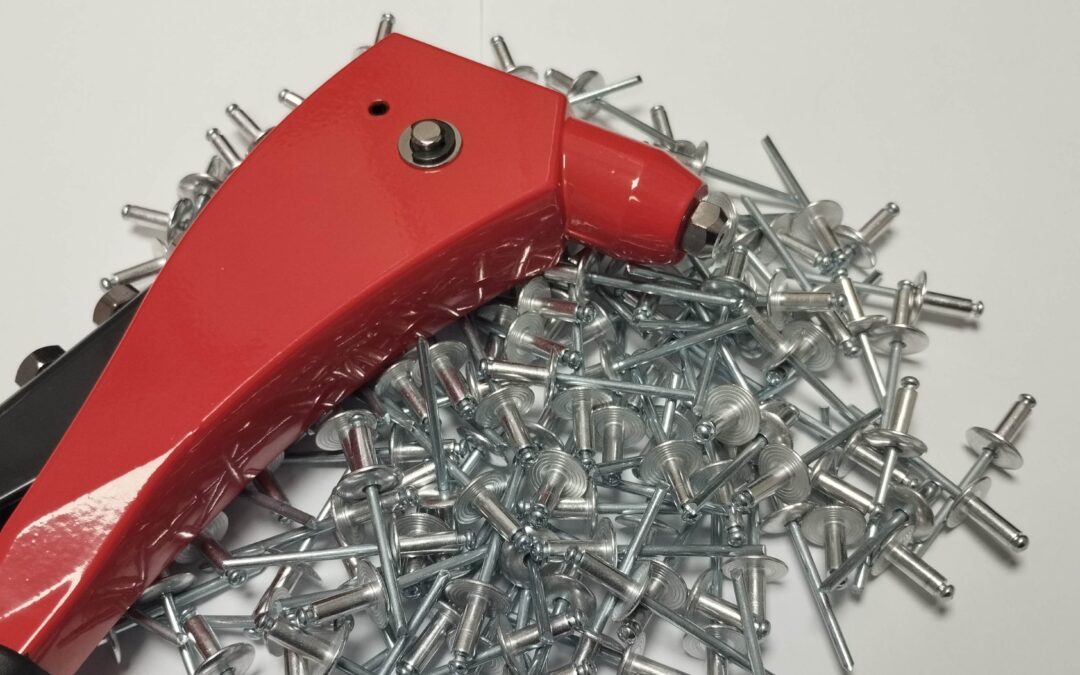
Rivets are essential fastening elements in various industries, playing a crucial role in joining materials and components. Their versatility and strength make them a preferred choice in a wide range of industrial applications.
In this blog post by Remaches Tudela, we explain the use and advantages of rivets for different industries, from automotive to construction. Don’t miss it!
Industries where rivets are used
In the industrial sector, there are various industries where rivets are used for manufacturing and producing all kinds of products. Below, we review some of the most important ones:
Rivets for the automotive sector
The automotive industry is a field where safety and strength are priorities. Rivets play a fundamental role in vehicle manufacturing, from joining body panels to securing internal components. Some advantages of using rivets in the automotive industry include:
- Durability
Rivets provide a solid and durable joint, which is crucial for ensuring vehicle safety on the road.
- Lightweight
Rivets are lighter compared to other fastening options, contributing to reducing the vehicle’s total weight and improving fuel efficiency.
- Ease of installation
Rivet installation is efficient and quick, saving time on the assembly line.
Rivets for the renewable energy sector
The growing demand for renewable energy has driven the need for reliable and durable fastening solutions in this industry. Rivets play an important role in manufacturing components for solar, wind, and other renewable energy sources. Some advantages of rivets in the renewable energy sector include:
- Corrosion resistance
Stainless steel and aluminum rivets are ideal for outdoor environments and resist corrosion, increasing the lifespan of systems.
- Secure fastening
Rivets ensure critical components, such as wind turbine blades or solar panels, remain firmly attached even under adverse conditions.
- Reduced maintenance
The corrosion resistance and durability of rivets mean lower maintenance and greater long-term reliability.
Rivets for general industry
In general industry, rivets are used in a wide variety of applications, from furniture manufacturing to machinery construction. Their advantages include:
- Versatility
Rivets can be used on a wide range of materials, from metal to plastic and wood, making them ideal for various applications.
- Cost-effective
Rivets are an economical fastening solution compared to other joining methods, helping to reduce production costs.
- Quick assembly
Rivet installation is fast and simple, improving production line efficiency.
Rivets for construction
In construction, rivets play a fundamental role in joining metal structures, cladding panels, and other components. Their advantages include:
- Structural strength
Rivets provide a robust joint that can withstand heavy loads and resist wind and vibration forces.
- Weather resistance
High-quality rivets resist corrosion and the effects of exposure to adverse weather conditions.
- Safety
The reliability of rivets is essential in building and structure construction, ensuring the safety of users.
Advantages of using rivets in different industries
Now that you know the types of rivets available for different industries, let’s explore the most significant advantages they offer:
Durability
Rivets provide solid and durable joints, contributing to the longevity of products and structures.
Versatility
They can be used in a wide variety of materials and applications, adapting to the needs of different industries.
Efficiency
Rivet installation is quick and efficient, reducing production times and labor costs.
Corrosion resistance
In hostile environments, rivets made of corrosion-resistant materials ensure long service life.
Weight reduction
In applications where weight is critical, rivets help keep products and structures lightweight without compromising strength.
Safety
The reliability of rivet joints is essential for ensuring safety in automobiles, structures, and renewable energy systems.
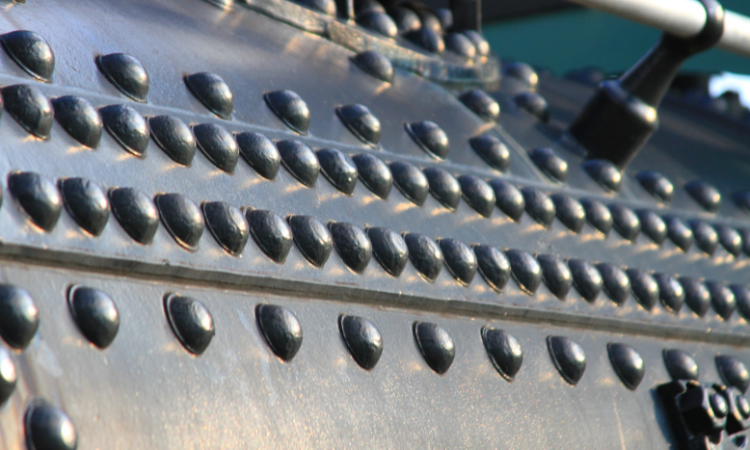
Innovation in rivets for industry
The rivet industry has experienced significant advances in recent years, leading to greater efficiency and performance in various applications. These developments have ensured that rivets remain an attractive option in a variety of industries. Below, we review some of the most notable innovations in the field of rivets.
Rivets for Industry 4.0
In the context of Industry 4.0, connectivity and data collection are key. Smart rivets are equipped with sensors and monitoring technology, enabling real-time tracking of joint conditions. This is especially valuable in critical applications where joint integrity is essential, such as the aerospace and nuclear energy industries. Some advantages of smart rivets include:
- Real-time monitoring
The collected data allows for constant monitoring of joint integrity, facilitating early detection of issues.
- Predictive maintenance
Smart rivets can predict when maintenance will be needed, reducing unplanned downtime.
- Increased reliability
The ability to proactively monitor and maintain joints improves the reliability of products and systems.
Advanced materials
Choosing the right material is essential in rivet manufacturing. In the quest for better performance and durability, rivets made with advanced materials, such as titanium alloys and composites, have been developed. These materials offer benefits such as:
- Greater strength
Titanium alloys and composites are exceptionally strong, making them ideal for applications requiring high strength.
- Weight reduction
Advanced materials enable the production of lighter rivets without compromising strength, crucial in aerospace and automotive applications.
- Resistance to extreme temperatures
In applications exposed to extreme temperatures, advanced materials can maintain their structural integrity.

Rivets are a versatile and reliable fastening solution that continues to play a vital role in various industries. From automation to Industry 4.0, advanced materials, and eco-friendly rivets, innovations in this field continue to enhance efficiency, safety, and sustainability in industrial applications.
As technology advances, it’s likely we’ll see even more developments in the rivet industry, ensuring its relevance in the future. If your company is looking for robust fastening solutions tailored to today’s demands, Remaches Tudela’s rivets remain a fundamental choice.
Visit our website now and discover the wide range of rivets, rivet tools, and other accessories we have available for your company. If you need more information or have questions, feel free to contact us, and we’ll be happy to help.